Marine-forged hybrid training.
Strength and engine, built on standards.
Coaching from a U.S. Marine Corps veteran who trains strength and conditioning together, not one at the cost of the other. You show up, you follow the plan, you hit the numbers. Founding-member rates are open now — book a single session below, or join the waitlist for ongoing coaching.
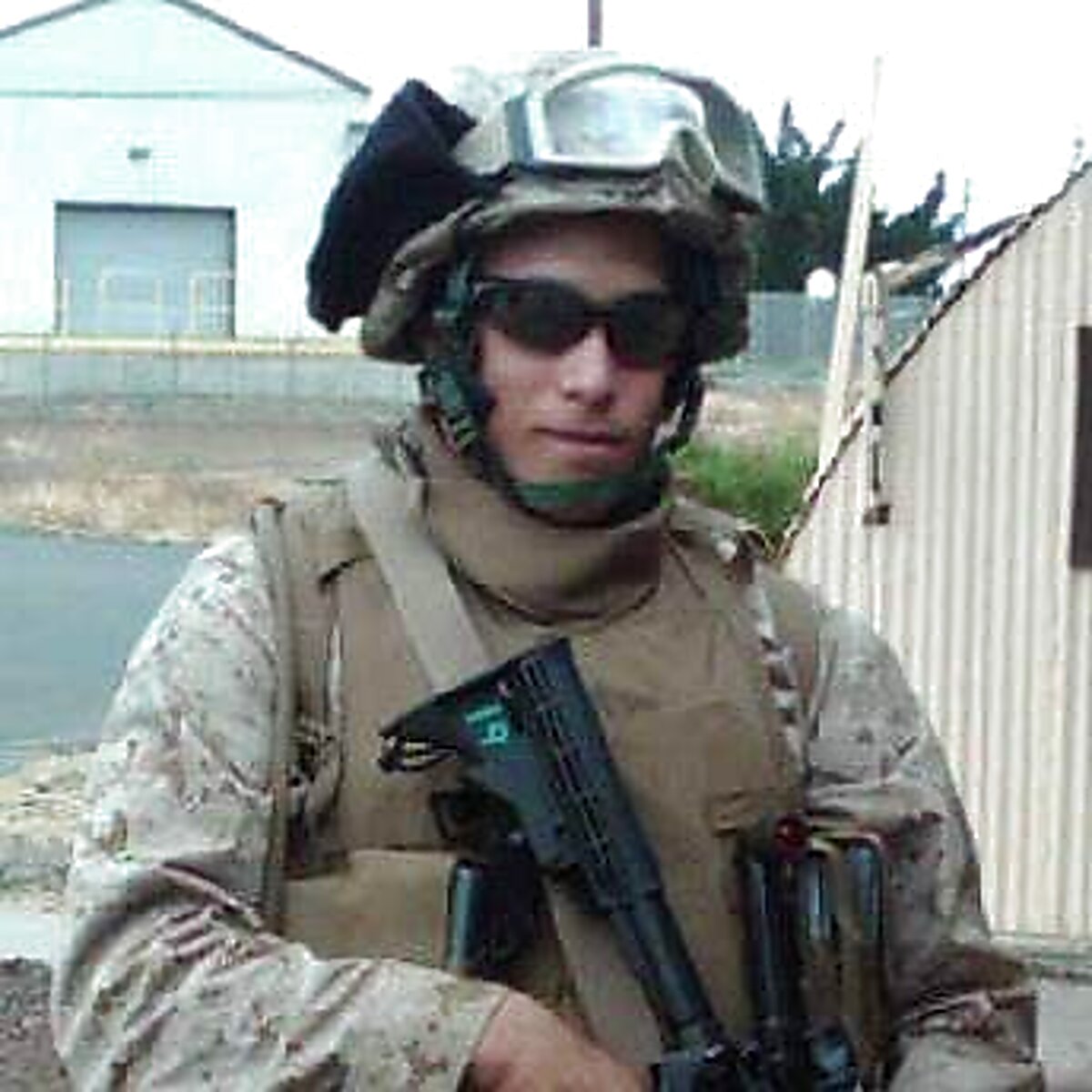
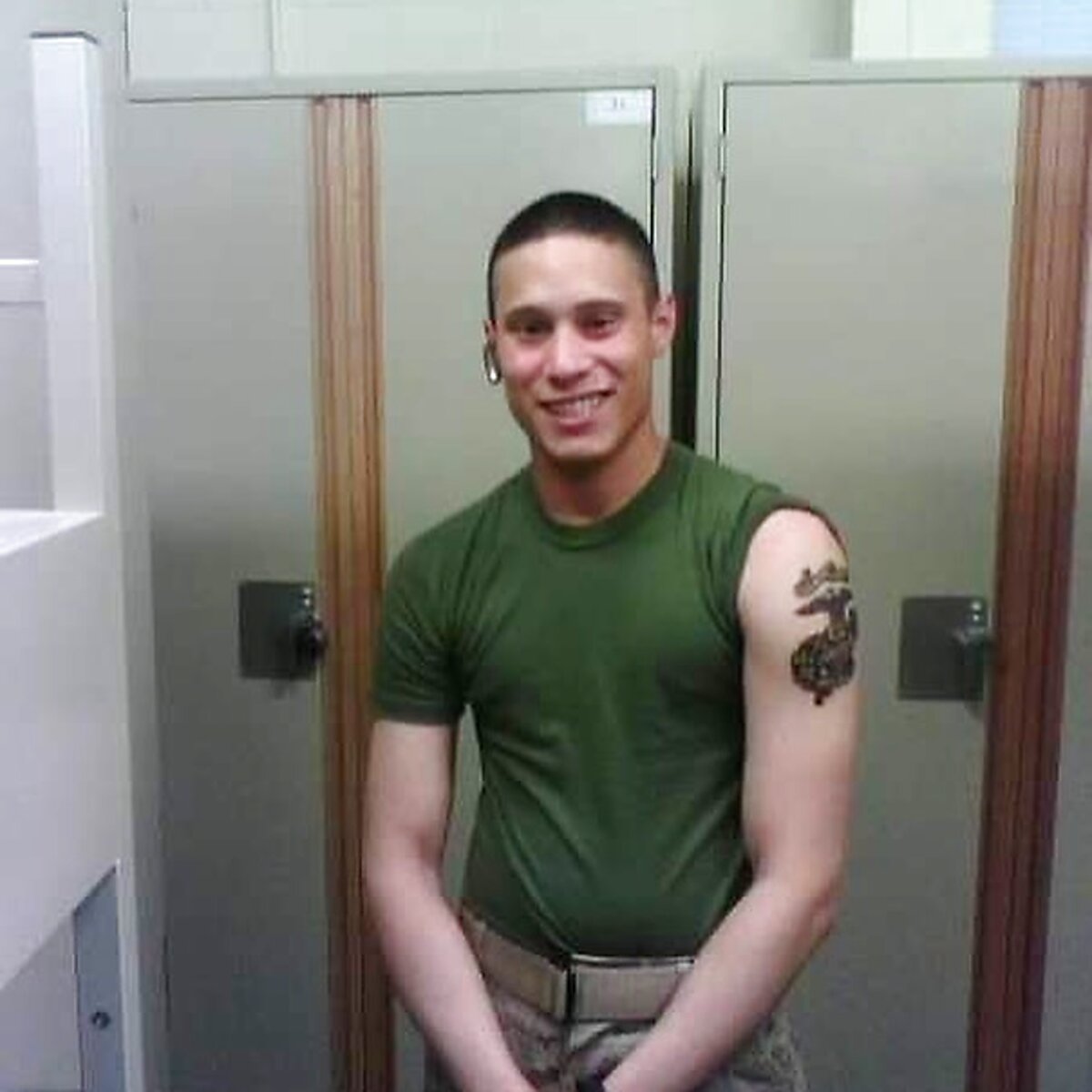
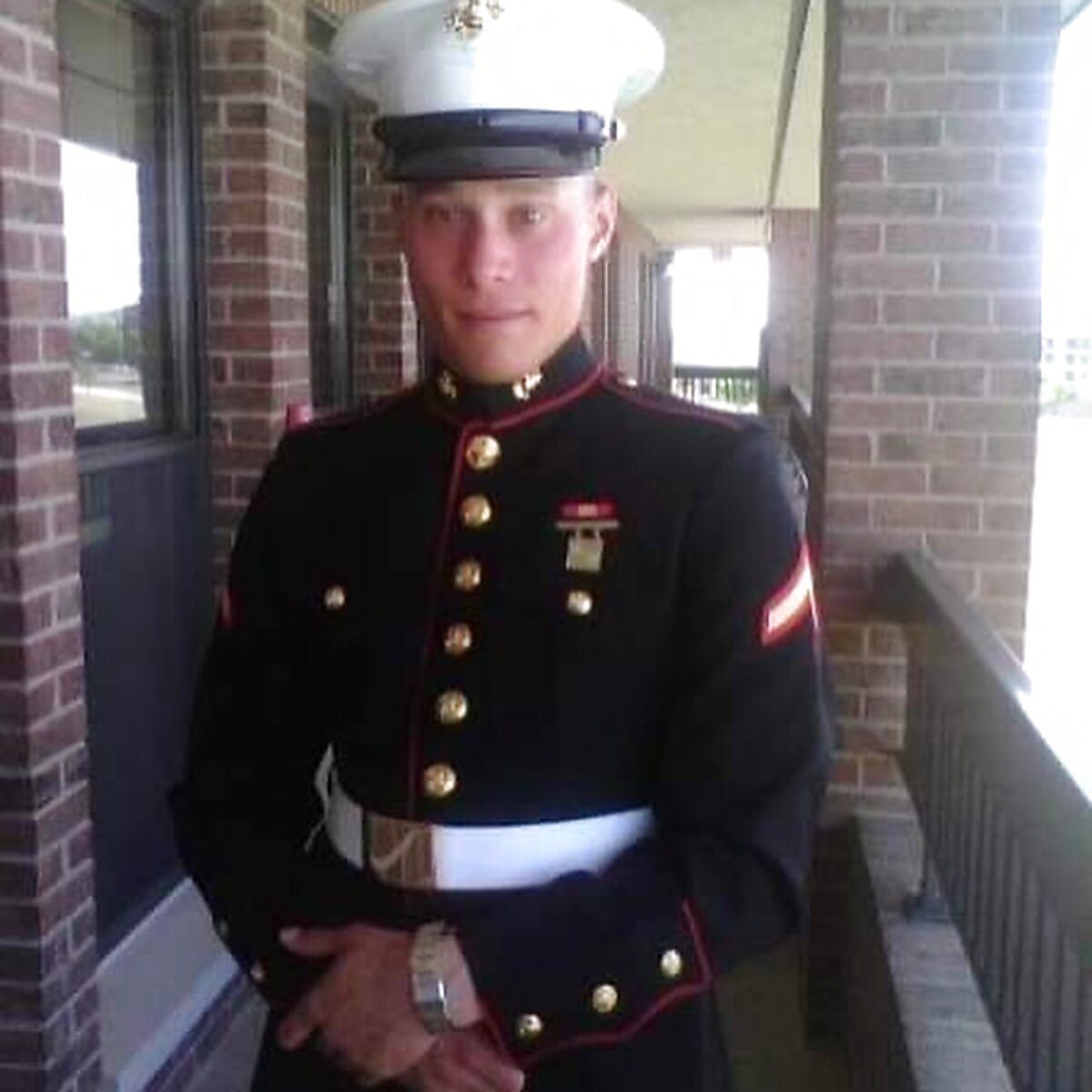
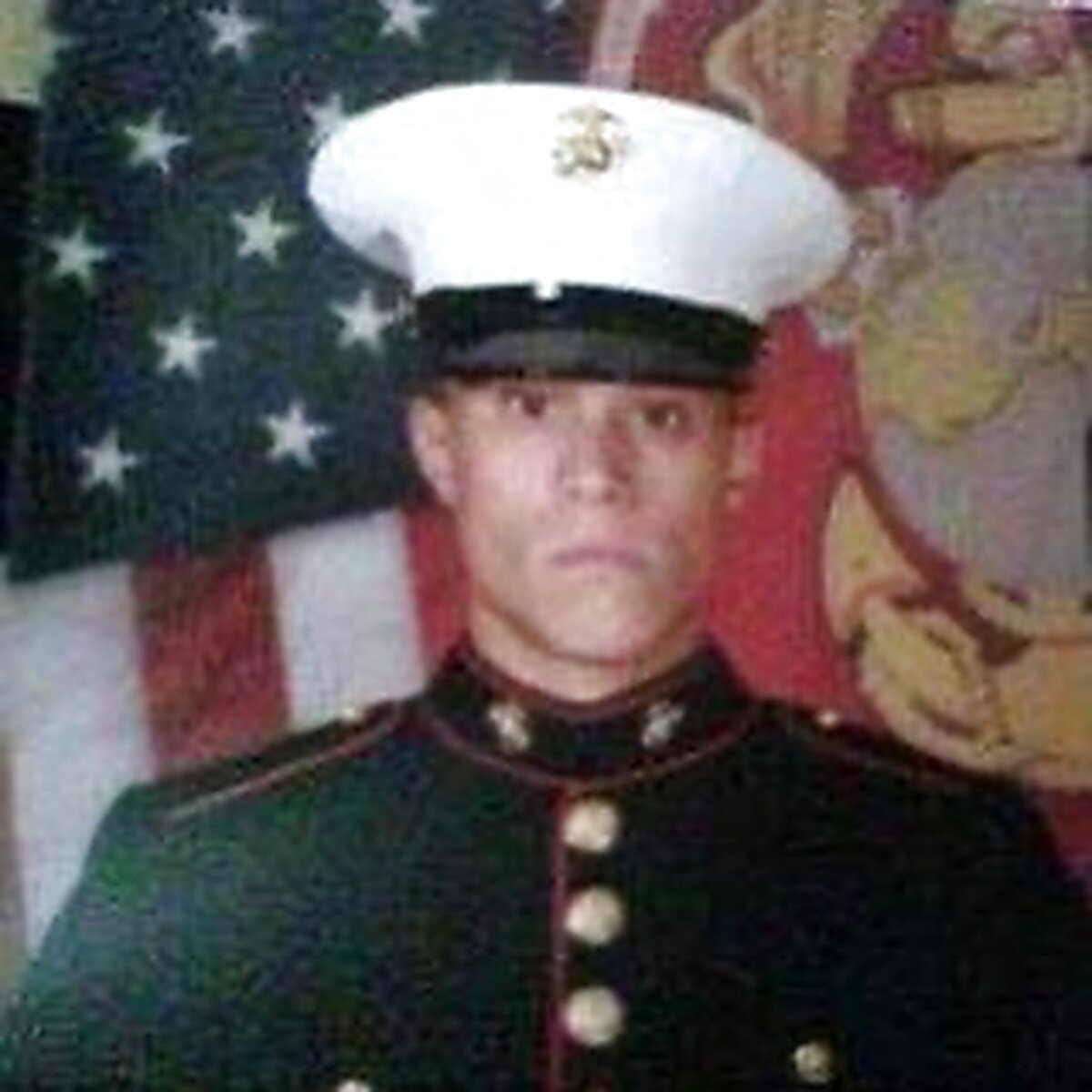
A Marine who coaches like one.
Markus is a U.S. Marine Corps veteran, now coaching in New York City. The Corps taught him one thing above all: the standard doesn’t care how you feel that morning. You meet it anyway, and then you beat it.
That’s the whole method here. No hype, no shortcuts, no motivational speeches. A plan written for where you actually are, benchmarks you can see on paper, and someone in your corner who expects you to show up. Every session runs like it matters, because it does.
He isn’t going to sell you a fantasy. He’ll tell you what the work is, why it’s built that way, and what it takes to hit the number. Then you go do it.
- Marine Corps veteran
- Hybrid strength & conditioning
- NYC-based
- 1:1, small-group & online
Build strength and engine at the same time.
Hybrid training means you get stronger and better-conditioned together, on purpose, instead of picking a lane and giving up the other. Done right, you don’t have to trade your deadlift for your mile or your mile for your deadlift.
The catch is that it has to be managed. Heavy lifting and hard intervals pull on the same recovery. Put them on top of each other and both stall. So we sequence the week so the hard days don’t collide, keep most of the conditioning easy, and add weight to the bar and volume to the engine week over week.
- 01Recovery first. The plan is only as good as what your body can absorb between sessions.
- 02Keep the systems separate. Max-effort lifting and hard intervals land on different days so one doesn’t blunt the other.
- 03Progressive overload on both sides. The lifting climbs and the conditioning climbs, tracked and on paper.
- 04Most cardio is easy. Roughly 80% of conditioning sits at an easy pace; the hard intervals are rare and specific.
Everything runs in blocks: four-week phases stacked into a twelve-to-sixteen-week cycle that shifts the emphasis over time instead of trying to peak everything at once. Base, then build, then peak, then retest.

“Pain is weakness leaving the body.”The Marine Corps ethos — the standard we train to
Pick the track that fits where you are.
Every track runs on the same engine: standards-based benchmarks, block periodization, and real accountability. Where you start is up to your training history, not your ego.
Foundations
- Who it’s for
- New to training, coming back after a layoff, or anyone who hasn’t trained steadily in six months or more.
- What’s inside
- Clean movement patterns first — squat, hinge, push, pull, carry — plus an aerobic base built mostly at easy pace. Bodyweight benchmarks (plank hold, push-up count) used as friendly baselines, not punishment.
- Structure
- 4–5x per week, 8–12 week block. Base-phase programming, no maxing out, just enough conditioning to build a habit and a floor.
Hybrid Athlete
- Who it’s for
- You already train and you want both: a bigger squat and deadlift and a real engine at the same time.
- What’s inside
- Concurrent barbell strength (squat, deadlift, press progressions) and conditioning (intervals, rucks, loaded carries, steady-state) sequenced on non-consecutive days. Benchmark days — loaded carry for time, sprint shuttle, overhead lift for reps — used to test and re-test, not to grind you down.
- Structure
- 5–6x per week split. Base → build → peak periodization across a 12–16 week cycle. 1:1 or small-group.
Marine Corps Prep
- Who it’s for
- Poolees, recruits, and anyone training toward the USMC Physical Fitness Test or Combat Fitness Test.
- What’s inside
- Direct work against the real PFT and CFT events: pull-ups, push-ups, plank, the three-mile run, the movement-to-contact run, ammo can lift, and the maneuver-under-fire shuttle. We test your baseline, program the gaps, and re-test on a schedule. Coached by someone who lived the standard.
- Structure
- Timeline built around your ship or test date. Standards-first, with running and calisthenics volume managed so you peak when it counts.
Fat-Loss & Recomp
- Who it’s for
- You want to change your body composition and keep your strength while you do it.
- What’s inside
- Strength training three to four times a week to hold onto and build lean mass, conditioning dosed for calorie burn without wrecking recovery, and nutrition and accountability check-ins on top. Not cardio-until-you-drop — a lifting split with the conditioning that actually fits it.
- Structure
- 3–4x lifting + 2–3x conditioning weekly. Ongoing monthly cycle with regular check-ins.
1:1 Private
Fully custom programming built around your own baseline numbers. Highest-touch coaching, technique correction, adjustments made in the moment. Typically 2–4x per week, in person.
Small-Group
Same program logic as the tracks above, run for two or three people who want coach oversight and form checks while splitting the cost. Loading stays individual.
Online / Remote
Written block programming, video-checked lifts, and regular check-ins for anyone out of the area or on a budget. You run the plan; the standards keep you honest.
What a hybrid week looks like.
A representative base-phase week. Hard days sit apart, easy conditioning fills the gaps, and one day is fully off. As the cycle moves into build and peak, the reps drop, the rest grows, and the intensity climbs.
| Monday | Strength — lower / full | Squat, deadlift or bench variant, pull-ups. Moderate reps (around 4x6), roughly 90 seconds rest. |
| Tuesday | Conditioning / HIIT | Short hard intervals — sprints, kettlebell swings, burpees. About 20 minutes, work-to-rest near 30s:30s. |
| Wednesday | Active recovery | Easy mobility, a light swim or yoga, 30–60 minutes at low intensity. |
| Thursday | Skill / benchmark | Sport skill or a CFT-style benchmark: loaded carry, shuttle, boxing rounds. |
| Friday | Strength — upper / full | Second strength session, upper or full-body emphasis. |
| Saturday | Mixed / endurance | Longer steady-state conditioning or a mixed circuit — carries, jumps, deadlifts, pull-ups, running — for volume. |
| Sunday | Full rest | Off. Recovery is part of the program, not a break from it. |
Base
Foundational movement patterns, higher reps (around 6), moderate rest (around 90s), and an emphasis on easy-paced conditioning volume.
Build
Intensity rises, reps drop to four or five, rest extends toward two minutes, and interval conditioning sharpens up.
Peak
Heaviest, lowest-rep compound lifts (around 3x4), conditioning at its most specific, then a taper and a retest week.
The numbers we train to.
These are the real USMC fitness standards. In the Corps, a bare passing score hasn’t been the goal since 2019 — exceeding the standard is the standard. We use them the same way: as honest benchmarks you can measure yourself against.
PFT
Physical Fitness Test · example age band 21–25
| Event | Male | Female |
|---|---|---|
| Pull-ups | 23 = 100 pts / 5 = min | 11 = 100 pts |
| Push-ups | ~64 = ~75 pts / 40 = min | ~38 = ~60 pts / 18 = min |
| Plank | 3:45 = 100 / 1:10 = min | 3:45 = 100 / 1:10 = min |
| 3-mile run | 18:00 = 100 / 27:40 = min | 21:00 = 100 / 30:50 = min |
CFT
Combat Fitness Test · example age band 21–25
| Event | Male | Female |
|---|---|---|
| Movement to contact (880 yd) | 2:38 top / 3:45 pass | 3:13 top / 4:41 pass |
| Ammo can lift (30 lb, 2 min) | ~115 reps top* | ~74 reps top / 30 pass |
| Maneuver under fire (300 yd) | 2:45 top / 3:18 pass | 2:45 top / 4:34 pass |
Standards shift by age bracket; the figures above are the 21–25 band as a single reference point. *Reported ammo-can-lift numbers vary by source and year. Always treat these as directional and check the current official USMC PFT/CFT order (fitness.marines.mil) before using any hard number as final.
Founding-member rates.
Indicative launch pricing while we build the roster. Founding members lock these rates going in. NYC-market ranges, positioned for a veteran coach without overshooting.
Payment received — now pick your time.
Choose a slot on the training calendar and it’s locked in. Nothing is on the schedule until you do, so grab one now while it’s in front of you.
If none of the open slots work, text (347) 260-8305 or email info@nyctailblazers.com and Markus will find one that does.
Semi-Private
- Coach oversight and form checks
- Shared programming, individual loading
- Roughly half the 1:1 rate per person
1:1 Private
- Fully custom, written block programming
- Built on your own baseline numbers
- In-session technique correction
Online / Remote
- Written base / build / peak plan
- Video-checked lifts
- Weekly or biweekly check-ins
How booking works
Each button above buys one session at the founding rate — a single session, not a package and not a subscription. The online option buys one month of programming, billed once.
You pick your time after you pay. Checkout hands you straight to the training calendar, where you choose a slot that works and it’s locked in. Nothing is on the schedule until you pick one. If none of the open times fit, text or email and Markus will sort it out with you directly.
Checkout asks for your goal and training experience so he knows what he is walking into. Want to talk before you pay? Text (347) 260-8305 or email info@nyctailblazers.com.
Monthly session packages will be available at launch. Founding-member pricing is limited and set at enrollment.
Straight answers.
Can I book a session right now?
What happens after I pay for a session?
Do I have to be a Marine or ex-military?
I’ve never really trained. Where do I start?
I’m a poolee or recruit prepping for boot camp. Can you help?
Where do sessions happen?
How do I hold my spot?
Claim your spot.
This form is for ongoing and custom coaching — the multi-week tracks, small-group slots you want held, and anything that needs a conversation first. Tell us where you are and what you’re after, and founding members go to the front of the line at launch pricing.
Just want one session? You can book and pay for it now instead of waiting.
Prefer to talk? Text or call, or send an email — whatever’s easiest.